Learning the Heartbeat of a School
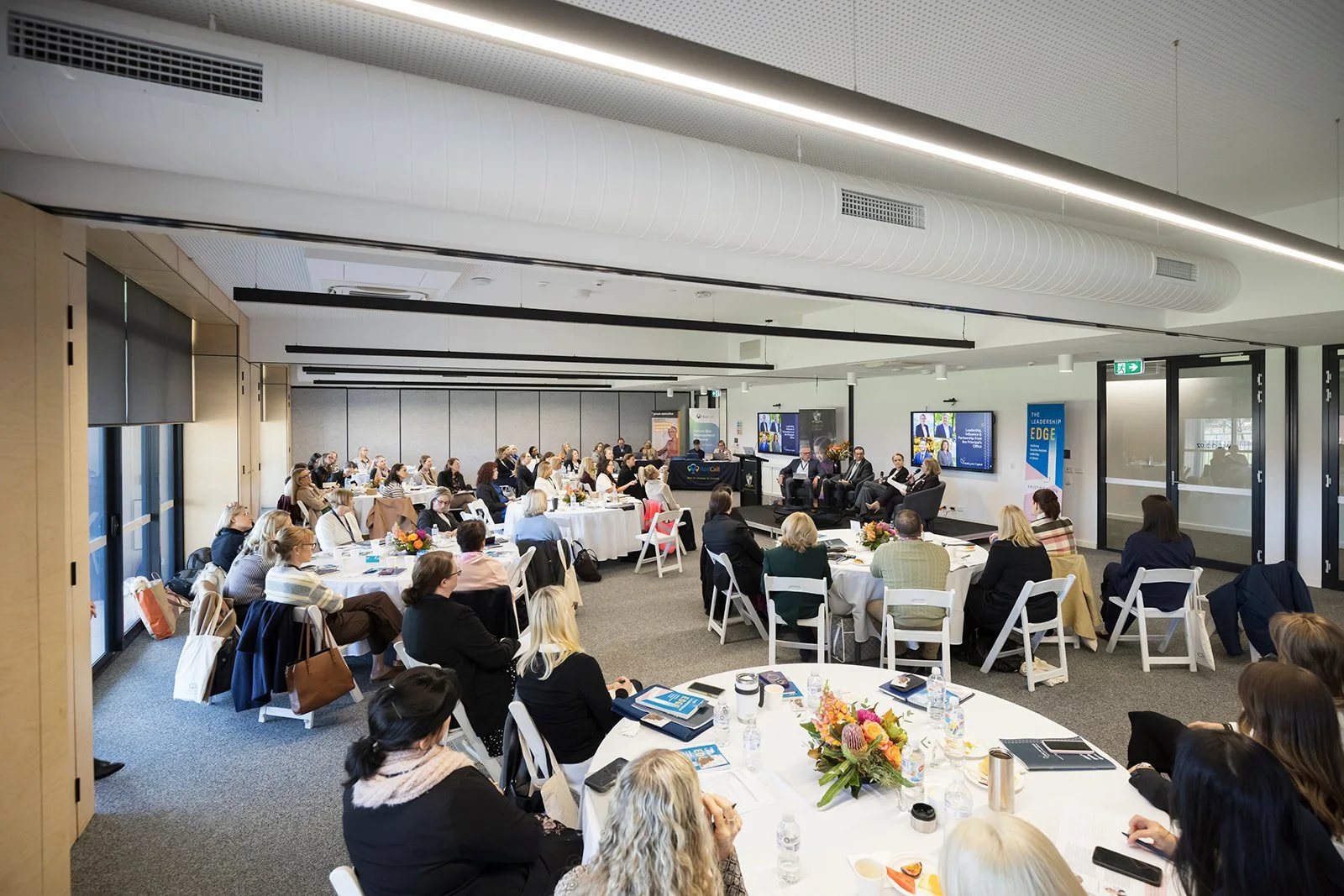
EAs in Education National Gathering 2026 - Radford College, ACT
In my previous article, I reflected on what it means to lead and support a team within a school environment.
As I continue to navigate my role as Executive Assistant to the Campus Principal at Beaconhills College, another important learning for me has been understanding the school itself at a deeper level.
Last week, I attended a school tour with our Executive Principal and had the opportunity to learn more about the school, its key pillars, values, and the deeper thinking that underpins the community. I also attended the Live Jazz Night on Friday evening and am looking forward to attending an Alumni breakfast and the Years 9 to 12 production of Charlie and the Chocolate Factory this week.
I have written previously about how understanding a school deeply is one of the most important aspects of becoming an effective strategic partner to a Senior Executive. This feels particularly relevant for me at the moment as I continue to settle into my role.
Attending school tours and community events has reinforced for me that if we truly want to operate strategically, we need to understand far more than systems and processes. We need to understand the school’s mission, values, priorities, and the “secret sauce” that defines its identity.
So what does it mean, within a school setting, to be a strategic business partner?
I define the role as follows: “A strategic business partner understands the school intrinsically and, in collaboration with others in the school community, represents and supports their Senior Executive to achieve goals and objectives for the school.”
For some, the word strategic can sound daunting, but it needn’t be. At its core, strategy simply means helping to achieve a plan. By that definition, much of what Executive Assistants do each day is inherently strategic. Every interaction, decision, conversation, and action contributes to ensuring our Senior Executives and the wider school community are represented and supported at the highest level.
Lucy Brazier (The Modern-Day Assistant 2023) identifies two essential components to becoming a true strategic business partner:
Understanding your organisation at a deeper level, its “why” and your purpose within it.
Strategically working with your executive.
Both matter enormously within schools.
The core business of a school is learning. Yet as administrative professionals, it can sometimes feel as though we sit on the periphery of that mission. The truth is, we do not. We are part of the main game.
Executive Assistants are often the bridge points across a school community. We engage with leaders, teachers, students, parents, alumni, and external stakeholders. Through our communication, professionalism, warmth, and attention to detail, we help shape the lived experience of the community around us.
We are an extension of our senior executive and brand ambassadors for the executive office.
And to operate strategically within a school, we must move beyond surface level understanding. Knowing what a school does is not enough; we must also understand why it does what it does.
What sits at the heart of the community? What values are consistently returned to? What is celebrated, protected, and prioritised?
What is the “secret sauce” that defines the school’s identity? Is it academic excellence, character, a deep sense of belonging, innovation, community spirit, or pastoral care? Whatever it may be, understanding this context allows us to align our own work and support with the broader vision of the school.
Over time, you begin to hear the school’s vernacular. You begin to notice the rhythm of the environment. You begin to understand how decisions are made, what matters most to people, and how culture is both protected and shaped. And this understanding does not happen overnight.
It takes time to listen, time to observe, time to build trust, and time to understand context.
And perhaps this is one of the greatest reminders when entering any new environment: there is wisdom in observing before changing, listening before leading, and learning before assuming.
The partnership between an Executive Assistant and Senior Executive is built not simply on working together, but on thinking together. It is a relationship grounded in trust, communication, shared understanding, and mutual respect. Strong strategic partnerships require clear and consistent communication, relational trust and confidentiality, stakeholder awareness, proactivity and foresight, emotional intelligence, and adaptability.
As schools continue to navigate increasing complexity, I believe the role of the Executive Assistant continues to evolve too, not away from operational excellence, but deeper into relational influence, cultural understanding, and strategic partnership.
Because schools are not simply organisations we work within. They are communities we help steward.
And to do that well, we must first learn the heartbeat of the school itself.