The School Seasons Change and so do the People
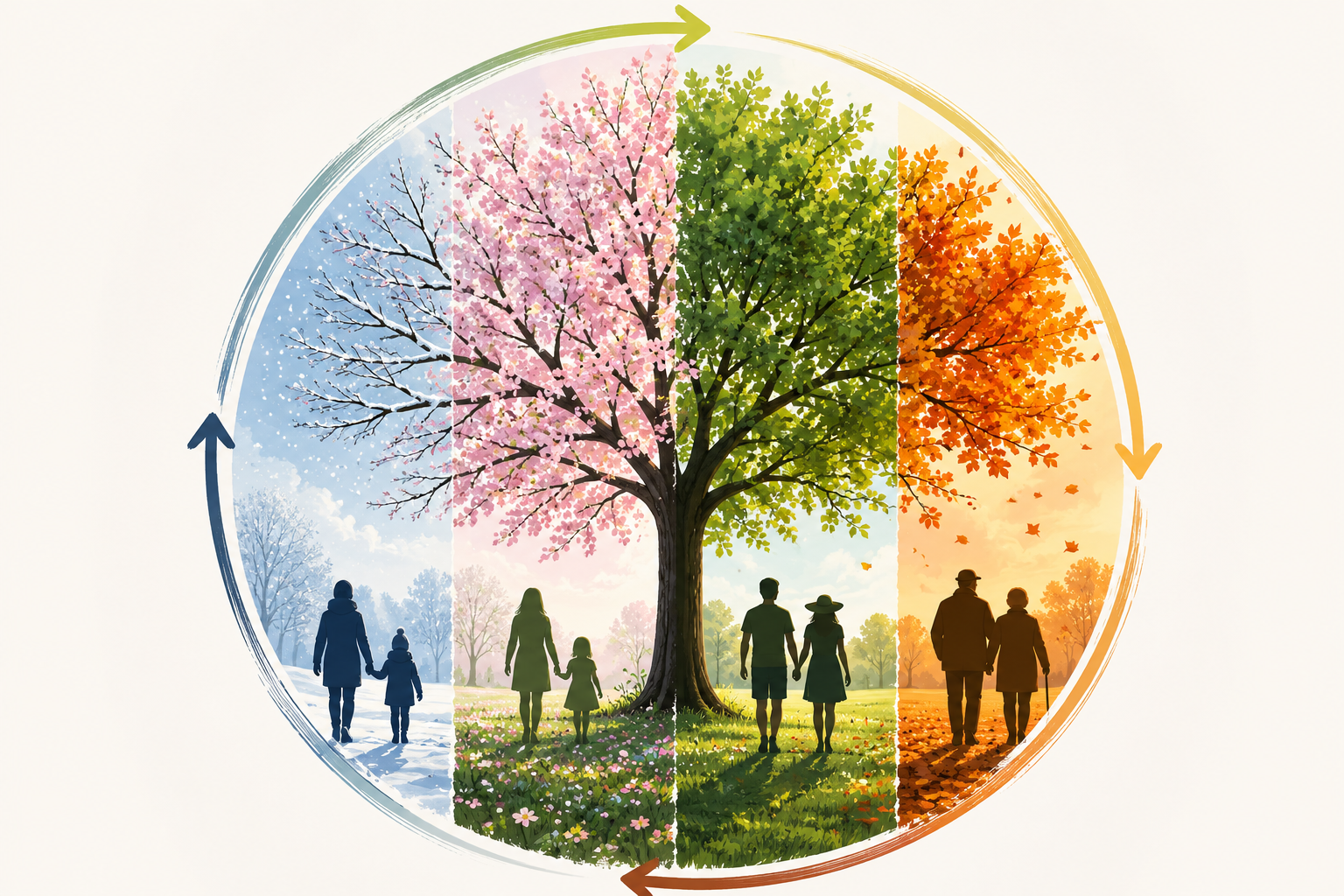
As another school term draws to a close, the pace begins to shift. Teachers head off for a well-earned break, the inbox slows down, those regular meetings disappear from the calendar, and for a brief moment, schools exhale. Amid the stillness, Executive Assistants are given something that is often in short supply during term time - the opportunity to pause and reflect.
For me, this marks the completion of my first school term as Executive Assistant to the Campus Principal at Beaconhills College. While it may seem like a relatively small milestone, being just over 10 weeks ago, it has caused me to pause and think about just how much can change in a single school season.
Looking back, I realise this season did not begin on my first day at Beaconhills. In many ways, it began almost a year ago. Over the past twelve months, I have moved through a series of professional seasons, each one shaping me in different ways. They were not all easy. At times they were marked by uncertainty, disappointment, self-doubt and significant change. Yet each season had something to teach me, even when I couldn't see it at the time.
The first was the season of the next move.
When my previous Senior Executive accepted a Principalship at another school, it brought to a close a professional partnership that had shaped so much of my own leadership journey. Like many Executive Assistants, I found myself wondering what came next. In education, Senior Executives often give several months' notice before moving into a new role. While this allows schools to plan for continuity, it also creates an extended period of transition for the Executive Assistant. You continue to work alongside your leader, fully committed to supporting them, while quietly preparing yourself for the reality that the partnership is coming to an end. When we work so closely alongside one leader, our professional identity can become intertwined with that partnership, and letting go of something so professionally rewarding brings uncertainty and, if I am honest, a sense of grief.
Then came the interview arena.
Over six months I stepped into interview after interview. It was uncomfortable, challenging and, at times, exhausting. Yet it became one of the most valuable periods of professional growth I have experienced. Every interview, every conversation, every setback and every moment of reflection helped me better understand who I was as an Executive Assistant, what I valued, and the kind of partnership I wanted to build with a future Senior Executive. The Stoic philosophy reminds us that the obstacle is the way. Looking back, I also recognise that interviews are not simply about convincing a school that you are the right candidate; they are equally about discerning whether the Senior Executive/EA partnership, the culture, and the values are the right fit for both parties.
Then there was the liminal season.
The uncomfortable space between what was familiar and what was yet to come. It was a season marked by uncertainty, anticipation, hope and patience. At the time it felt as though life had been placed on pause, but looking back I realise it was not a season to simply endure. It was quietly preparing me for the one I am now living.
The liminal season is actually a lonely in-between place, watching your former leader step into new beginnings, new people, new routines - while you remain, holding the memories and momentum of what was. Yet we carry forward the gratitude for the time we’ve shared, the lessons, the laughter. And the learning doesn’t end here - it just simply evolves, for both parties.
Today, I find myself in a very different place. Not because everything feels familiar yet, it doesn't. Not because I have all the answers, I certainly don't. But because I have begun to find my place again.
Earlier on in the term, I wrote about learning 'the heartbeat of a school', and that lesson has continued to deepen. As I have settled into Beaconhills College, I have realised that understanding a school goes far beyond learning systems, calendars or processes. It is about understanding people, purpose and place. Every school has its own rhythm, traditions, language and culture. Every community has its own story, and every leadership team has developed ways of working that have evolved over many years.
Attending school tours with our Executive Principal, community events, Live Jazz Night, the Senior School production of Charlie and the Chocolate Factory, alumni breakfast, and simply spending time with people across the College has reinforced something I have long believed. If we are to become genuine strategic partners, we must first understand the heartbeat of the school. We need to understand far more than how the organisation operates; we need to understand why it exists, what it values, what it celebrates and what makes it uniquely itself. Only then can we truly align our support with the vision of our Senior Executive and the broader aspirations of the school community.
As Executive Assistants, we often measure our days by what we accomplish - emails answered, meetings coordinated, problems solved, decisions progressed. Our to-do lists can easily become the measure of whether we have had a productive day. Yet this term has reminded me that some of the most important work we do never appears on a task list. It happens while walking across the campus with a colleague to grab a coffee, checking in with a team member, listening carefully, or helping someone feel genuinely seen and supported. It is in these seemingly ordinary moments that trust quietly begins to grow, relationships begin to deepen, and we start to understand the people and the culture that make a school unique.
There have been days where I have looked at my unfinished list and wondered whether I had achieved enough, but we know that investing in people is not work that distracts us from leadership; it is leadership.
One of the highlights of this term was facilitating my first team meeting and spending time connecting individually with each member of my team. Naturally, I felt nervous. Joining an established team always brings uncertainty, and you wonder how people will respond and whether you are creating the environment you hope to build. Rather than preparing the agenda on my own, I invited each member of the team to contribute topics that mattered to them. The meeting was far more than just operational - being an opportunity for collaboration, shared ownership, listening and genuine conversation. We are still learning about one another, understanding our strengths, establishing trust and shaping how we will work together. That kind of work cannot be rushed.
As time goes on, my Senior Executive and I are finding our rhythm, and it's been a genuinely positive experience. I am really enjoying learning from someone new, gaining fresh perspectives, and continuing to grow professionally through our collaboration. We've learned that humour has an important place in our partnership. Sharing a laugh at the end of a busy day has become one of the ways we reflect on the day and maintain perspective.
We have discovered that a dedicated 30-minute catch-up first thing each morning works well for our partnership. It provides an opportunity to align on priorities, discuss emerging issues, anticipate what is coming, and ensure we are thinking together rather than simply working alongside one another. Throughout the week, I intentionally schedule additional time for deeper project conversations and strategic thinking. Those protected moments allow us to move beyond the immediate demands of the day and focus on the bigger picture, creating capacity for thoughtful leadership rather than simply responding to whatever is most urgent.
As I prepare for Term 3, I realise how much has changed in just one school season. I am building genuine connections within my team, developing a deeper partnership with my Campus Principal, and experiencing a culture that has been remarkably welcoming. Perhaps one of the greatest gifts has been the clarity of my role. Knowing where I contribute has allowed me to spend less time trying to find my place and more time adding value.
Schools naturally understand seasons and the cyclical nature of their communities. Students arrive usually from Prep and/or Year 7 and then graduate. Staff join and retire. Leaders move on. New partnerships begin. Every season brings change, but every season also brings opportunity.
Looking back over the past year, I can now see that every season had a purpose.
The next move taught me to let go.
The interview arena taught me confidence.
The liminal season taught me patience.
As I continue to find my place within the school, I am learning that every conversation, every relationship, and every shared experience contributes to a deeper understanding of the community. It is this understanding that enables us to support our Senior Executive with greater insight, build stronger partnerships, and contribute more meaningfully to the life of the school.
And this first term has reminded me that leadership is found quietly in our curiosity, the everyday interactions we have, the trust we build, the culture we help shape, and the relationships we nurture.
The school seasons change.
And so do we.